poe@pcbamake.com


For many overseas buyers, sourcing PCBA in China for the first time can feel uncertain. Price is important—but it’s rarely the biggest risk. The real challenge is choosing a supplier that can deliver consistent quality, clear communication, and long-term reliability.
Instead of passively comparing quotations, experienced buyers know how to ask the right questions early. The answers will quickly tell you whether a supplier is professional—or just trying to win your order.
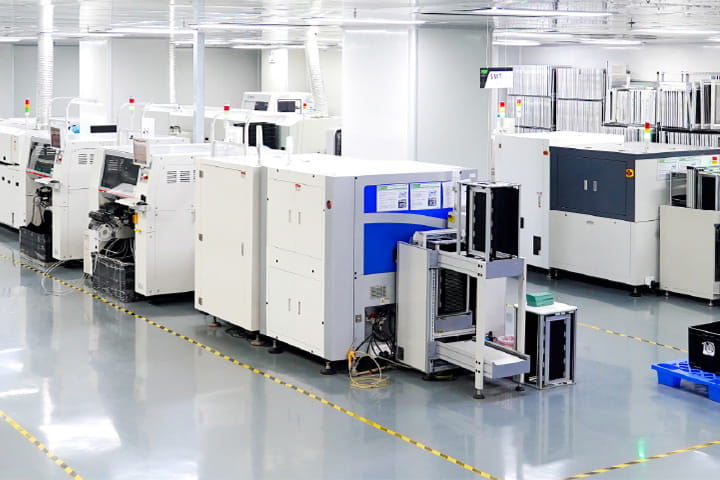
Here are 7 essential questions you should ask, along with what you should expect from a reliable PCBA manufacturer.
1. Can you provide full PCBA service (PCB + assembly + components)?
A professional supplier should offer a one-stop solution, including:
PCB fabrication,Component sourcing,SMT & THT assembly
👉 Why this matters:Managing multiple vendors increases risk, delays, and communication gaps. A single supplier ensures better coordination and accountability.
2. What quality control processes do you have in place?
A reliable manufacturer should clearly explain:
Incoming material inspection (IQC)
Solder paste inspection (SPI)
Automated optical inspection (AOI)
X-ray inspection (for BGA/QFN)
Functional testing (if required)
👉 Why this matters:
PCBA quality is determined by process control, not final inspection alone.
3. What files are required for quotation and production?
To avoid delays and inaccurate pricing, the supplier should guide you clearly.
Standard requirements include:
Gerber files
BOM (Bill of Materials)
Pick & Place file
Assembly drawings
👉 Why this matters:Incomplete data often leads to hidden costs or multiple revisions later.
4. How do you handle component sourcing and substitution?
Component sourcing is one of the biggest risks in PCBA.
Ask whether the supplier:
Sources from authorized distributors
Provides alternatives when parts are unavailable
Confirms all substitutions with you before production
👉 Why this matters:
Uncontrolled substitutions can lead to functional failure or certification issues.
5. What is your typical lead time?
A trustworthy supplier will give realistic timelines, not just the fastest promise.
Typical ranges:
PCB fabrication: 3–7 daysPCBA: 7–15 days
Also ask:
Can you support urgent orders?
What factors may affect delivery time?Overpromised lead times often result in delays and missed deadlines.
6. Can you support prototypes and low-volume orders?
If you are in the development stage, flexibility is critical.
Check if the supplier:
Accepts low MOQ
Supports quick-turn prototypes
Provides engineering feedback
👉 Why this matters:
A good supplier grows with your project—from prototype to mass production.
7. How do you handle defects or after-sales issues?
This is one of the most important questions.
A professional supplier should have:
A clear RMA (Return Material Authorization) process
Root cause analysis (RCA) reports
Defined rework or replacement policies
👉 Why this matters:If you have PCB/PCBA/OEM/ODM needs, please contact us, We will reply within 2 hours, and complete the quotation within 4 hours or less upon request.
Delivery Services

Verified by

Link Us on