poe@pcbamake.com


From consumer electronics to medical devices and automotive systems, flexible printed circuit boards (Flex PCBs) enable innovative product structures that rigid PCBs cannot achieve.
What Is Flex PCB Assembly?
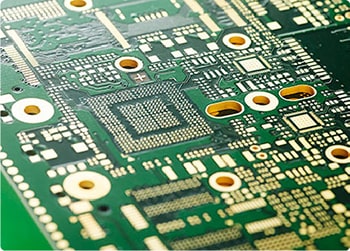
Flex PCB assembly refers to the process of mounting electronic components onto flexible printed circuit boards made from polyimide or other flexible substrates. Unlike rigid PCBs, flex circuits can bend, fold, or twist during installation and operation, providing greater freedom in product design and mechanical integration.
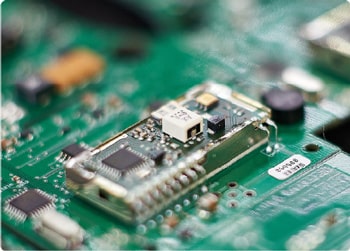
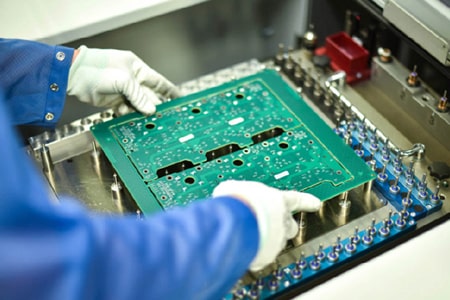
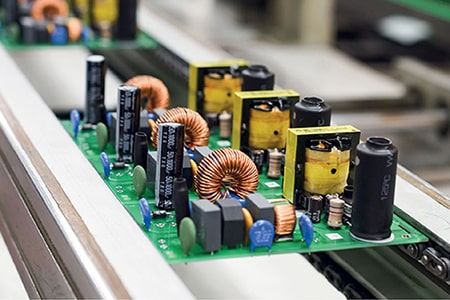
A typical flex PCBA project includes flexible PCB fabrication, component sourcing, SMT or THT assembly, controlled reflow soldering, and comprehensive testing.
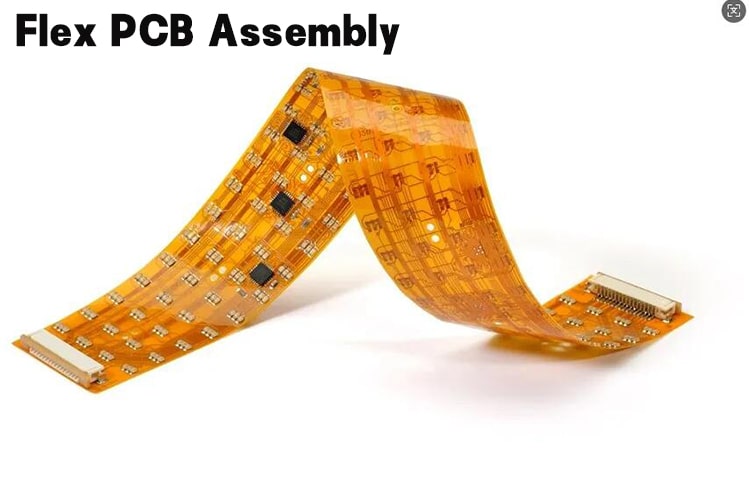
Flex PCB Assembly Process
Due to the nature of flexible substrates, flex PCB assembly requires stricter process control than rigid PCB assembly.
Flex PCBs perform exceptionally well in applications involving repeated bending or movement.
Common Applications of Flex PCBA
Flex PCB assemblies are widely used in:
Consumer electronics (smartphones, cameras, wearable devices)
Medical devices (diagnostic and imaging systems)
Automotive electronics (sensors, instrument clusters)
Industrial control systems
Aerospace and defense applications
Key Challenges in Flex PCB Assembly
Despite its advantages, flex PCB assembly presents several unique challenges:
Quality Control in Flex PCB Assembly
Professional flex PCB assembly follows strict quality control standards, including:
One-Stop Flex PCB Assembly Services
Partnering with a one-stop PCBA manufacturer simplifies supply chain management and shortens lead time. A complete flex PCB assembly service typically covers flexible PCB fabrication, component sourcing, SMT and THT assembly, inspection, testing, and final quality control.
This turnkey approach ensures higher consistency, better cost efficiency, and faster time to market.
Why Choose pcbamake for Flex PCB Assembly
PCBAMake offers reliable flex PCB assembly supported by extensive manufacturing experience and a true one-stop service model. From flexible PCB fabrication to component sourcing, SMT assembly, and testing, all processes are managed under strict IPC-compliant quality control. With optimized reflow profiles, dedicated carriers, and proven expertise in thin and high-density flex circuits, pcbamake ensures stable assembly and consistent results. Customers benefit from flexible BOM sourcing options, clear communication, and dependable quality from prototype to volume production.
If you have PCB/PCBA/OEM/ODM needs, please contact us, We will reply within 2 hours, and complete the quotation within 4 hours or less upon request.
Delivery Services

Verified by

Link Us on